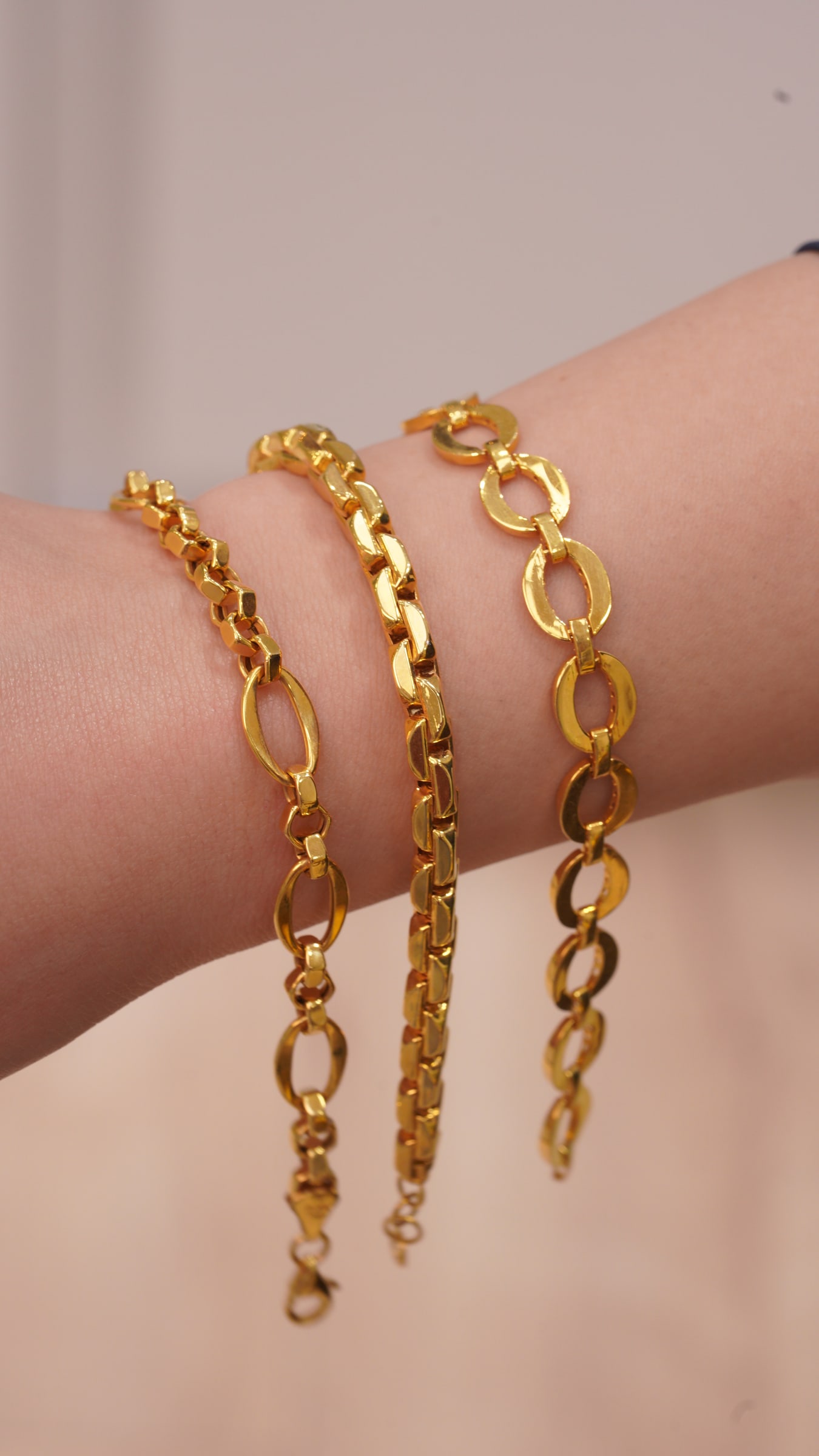
Bespoke tends to sound out of reach. In practice the process is clearer and shorter than most people expect. Here are the steps, realistic timings and what actually drives the price.
Why commission a piece?
People usually arrive for one of three reasons. They cannot find the piece they want in any window; they want to make an inherited piece wearable again; or they want a date, a name or a meaning built into the piece itself.
All three share one thing: a requirement that ready-made stock has no answer for.
Step 1: the conversation
Nothing is drawn at the first meeting. We talk about who the piece is for, where and how often it will be worn, which metal you have in mind and what range it needs to stay within. Bring images you like; the ones you dislike are just as useful.
Setting a realistic range early makes everything easier. The same design can be built at very different costs depending on metal and stone.
Step 2: design and sign-off
A design comes out of that conversation. You see it, and we settle dimensions and proportions. Asking for changes belongs to this stage; everything needs to be right before anything is made.
If the piece takes a stone, you choose it here. Never sign off on a stone you have not seen.
Step 3: making
After sign-off the piece is made. Changing the design at this stage usually means starting again, which is exactly why the sign-off step matters.
How long does it take?
It depends on complexity, but realistically:
- Simple alterations (resizing, replacing a stone): a few days.
- Straightforward bespoke (a plain band, a name necklace): typically one to two weeks.
- Pieces with stones and detail: two to four weeks, longer if a stone has to be sourced.
If you are working towards a wedding or a fixed date, start early. Leaving it to the final week narrows your options.
What drives the price?
Three items: metal, stone and craftsmanship.
- Metal: weight and purity. At equal weight, 22K costs more than 14K.
- Stone: where there is one, usually the most variable item.
- Craftsmanship: the complexity of the design and the hours it takes.
So "bespoke always costs more" is not true. A clean commissioned piece can come in below an intricate model from the display case.
Can we use your own gold?
Usually yes, and it is one of the most common questions. Gold you no longer wear, that has broken, or that you inherited can be melted down and worked into the new piece, which brings the metal cost down directly.
Two things are worth settling first: the purity of the old piece may not suit the new design, and for some pieces the sentimental value outweighs the material. Sometimes repairing the original is the better call.
Before you start
Come by even if the idea is not finished; it takes shape in conversation. Three things speed the process up: a few images that appeal to you, any old gold you would like to reuse, and a realistic range.
No appointment is needed for a first conversation at our shop on Javastraat. In that same conversation you will hear what is possible and how long it will take.